Introduction
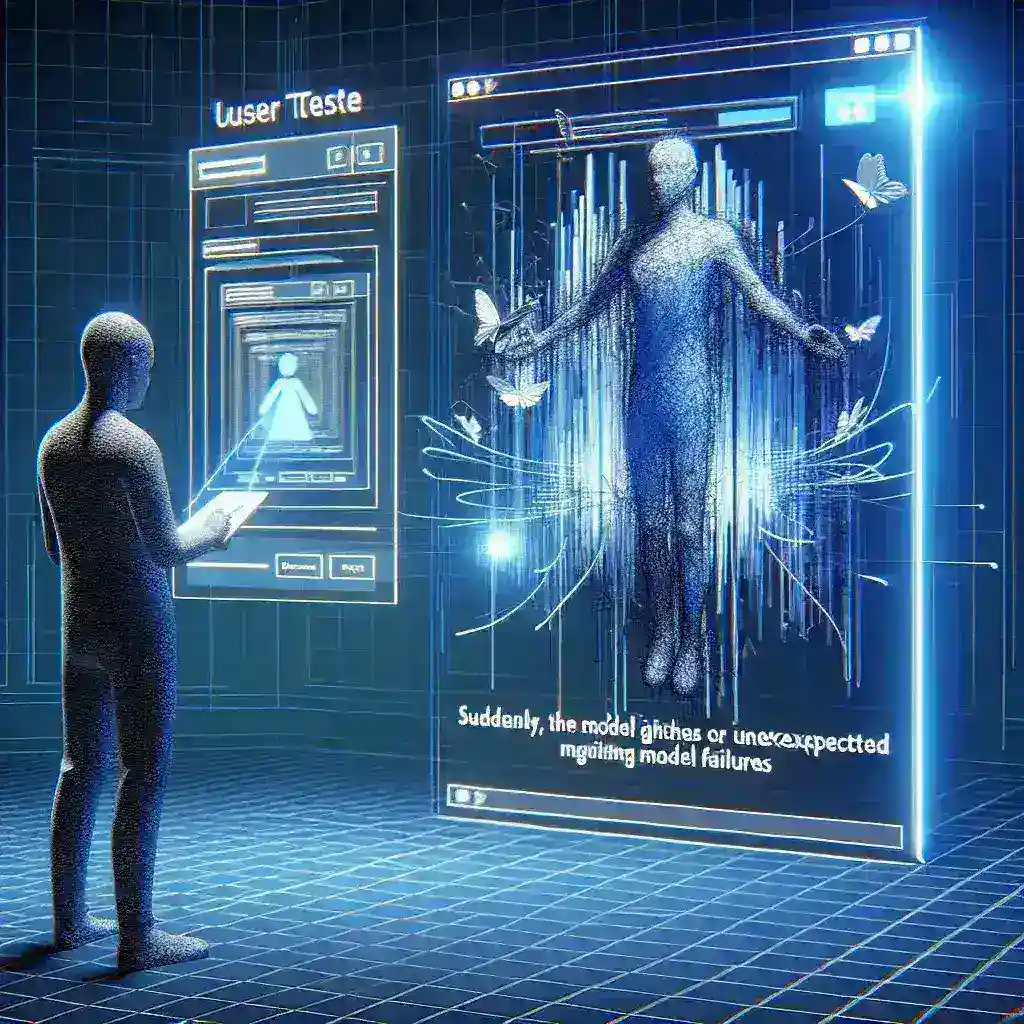
In the modern landscape of product development, understanding user interaction is pivotal. Companies invest significant resources into creating models, whether they be software algorithms, product designs, or marketing strategies. However, these models may not always perform as expected in real-world scenarios. This is where user testing comes into play, revealing unexpected model failures that can significantly impact user experience and the overall success of a product.
The Importance of User Testing
User testing is a crucial phase in product development that allows developers to observe how real users interact with their models. This process is not merely about confirming that a product works as intended; it’s about uncovering hidden flaws that may not be apparent during the development phase.
What is User Testing?
User testing involves gathering a group of representative users to interact with a product or model in a controlled environment. Observers take notes on user behavior, reactions, and any difficulties encountered. The insights gained from these tests can highlight unexpected model failures that could compromise usability.
Types of User Testing
- Usability Testing: Focuses on how easily users can navigate and utilize a product.
- A/B Testing: Compares two versions of a model to determine which performs better.
- Focus Groups: Groups of users provide feedback on a product concept, design, or functionality.
- Beta Testing: Involves releasing a product to a limited audience to gather feedback before a full launch.
Uncovering Unexpected Model Failures
Unexpected model failures refer to instances where a product does not perform as anticipated when used by real customers. These failures can arise from various factors, including design flaws, misunderstandings of user needs, or even technical limitations.
Common Areas of Failure
- Interface Issues: Complex interfaces can confuse users, leading to frustration and abandonment.
- Performance Problems: Models might lag or crash under certain conditions, impacting user experience.
- Misalignment with User Expectations: A product may not meet user needs or expectations, resulting in dissatisfaction.
- Accessibility Barriers: Models that do not account for users with disabilities can alienate a significant portion of the audience.
Real-World Examples
Several high-profile cases illustrate the importance of user testing in revealing model failures:
The Case of the Microsoft Clippy
One of the most infamous examples is Microsoft’s Clippy, the virtual assistant in Microsoft Office. Originally designed to help users navigate the software, Clippy’s intrusive nature led to widespread annoyance. User testing revealed that rather than being helpful, it was often seen as a hindrance, ultimately leading to its removal.
Facebook’s News Feed Algorithm
In 2018, Facebook faced backlash over its News Feed algorithm, which prioritized certain types of content. User testing revealed that this model led to increased polarization and negativity in user interactions. The company had to pivot its approach significantly to restore user trust.
The Role of Feedback Loops
One of the key advantages of conducting user tests is the feedback loop generated. Continuous feedback from users allows developers to iterate on their models, identifying and addressing issues as they arise.
Creating Effective Feedback Channels
- Surveys and Questionnaires: Collect quantitative data on user satisfaction and performance.
- User Interviews: Engage in one-on-one conversations to gather qualitative insights.
- Analytics Tools: Use software to track user behavior and identify patterns of failure.
Future Predictions in User Testing
As technology evolves, the methods and tools for user testing are also transforming. Here are some future predictions:
- Increased Use of AI: Artificial Intelligence will play a larger role in analyzing user data and predicting potential model failures.
- Remote Testing: Virtual environments will allow for broader geographic diversity in user tests.
- Real-Time Feedback: Enhanced tools will enable real-time feedback during user interactions, allowing for immediate adjustments.
Conclusion
User testing is not merely a formality but a critical step in the product development process. By revealing unexpected model failures, it provides invaluable insights that can enhance usability, performance, and user satisfaction. As companies continue to evolve their models, prioritizing user testing will remain essential in building successful products that resonate with their audience.
